
Padel Court Tent Structures: Why Aluminum Frame Tents Are the Smartest Way to Cover Your Courts
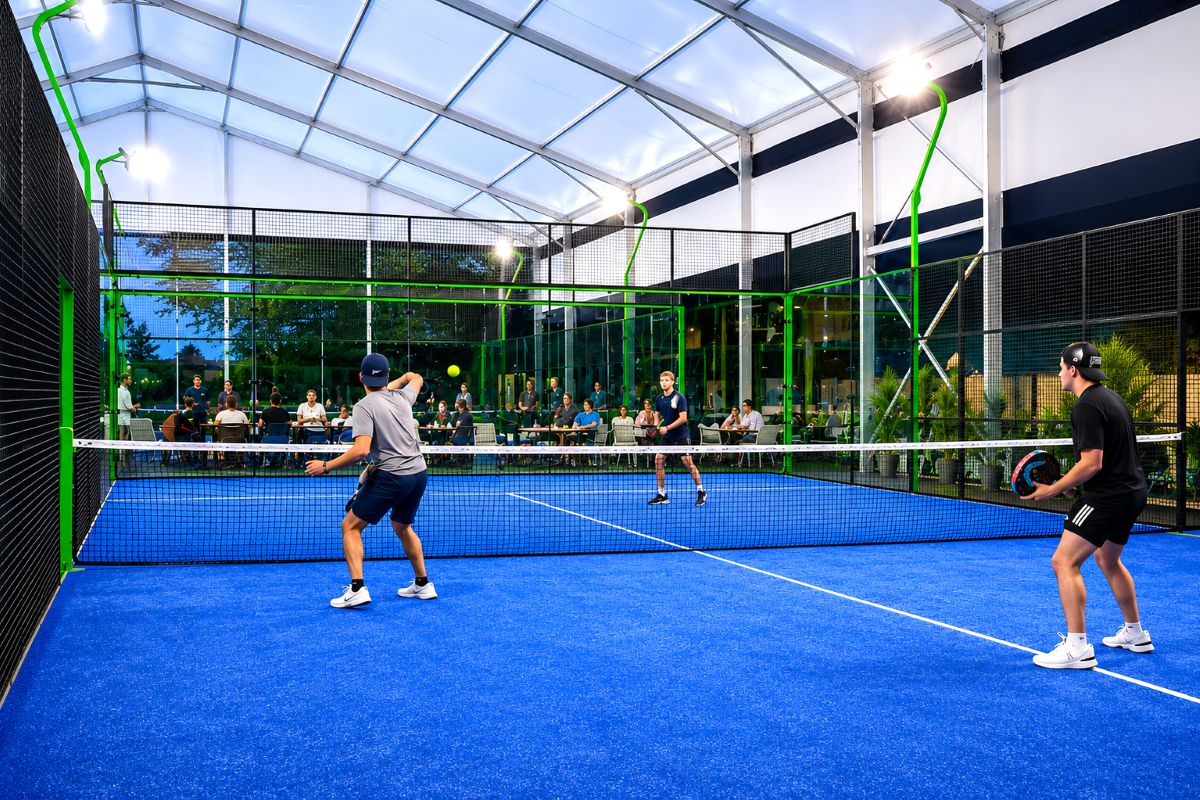
Discover why aluminum structure tents are the best choice for covering padel courts. UV protection, weatherproof, fast installation, and cost-effective. Get your padel court covered today.
Padel is the fastest-growing sport in the world. With over 25 million players globally and new clubs opening every week, the demand for high-quality, weather-resistant padel facilities has never been higher. But if you run a padel club or are planning to build one, you've probably run into a critical question: How do you protect your courts from weather without breaking the bank?
Enter the padel court tent — a lightweight, durable, and cost-effective structure that turns outdoor courts into all-weather playing surfaces. And when it comes to choosing the right frame material, aluminum structure tents are emerging as the clear winner.
Why Cover a Padel Court in the First Place?
Before we dive into the tent structures themselves, let's look at why covering padel courts makes business sense.
Playing Conditions
Padel is a precision sport. Wind, direct sunlight, rain, and extreme temperatures all affect ball behavior and player comfort. A covered court eliminates these variables, delivering a consistent playing experience year-round.
Business Revenue
Covered courts generate more revenue per day than exposed ones. Rain doesn't stop play. The midday sun won't drive players away. In cold climates, a tent structure traps heat and extends the playing season by months. Many club owners report a 40–60% utilization increase after covering their courts.
Court Longevity
UV radiation degrades artificial turf, cracks glass panels, and fades line markings. Rain and debris accelerate wear. A well-designed canopy protects your investment, reducing maintenance costs and extending court lifespan by years.
What Is a Padel Court Tent Structure?
A padel court tent (also called a padel court canopy or covered padel structure) is a semi-permanent or permanent roof system designed specifically to enclose one or more padel courts.
These structures typically consist of three main components:
1. Frame: Usually aluminum alloy or galvanized steel
2. Cover Membrane: Waterproof and UV-resistant PVC fabric or polyethylene
3. Foundation System: Ground anchors, concrete footings, or ballast systems
While steel frames have been the traditional go-to for large industrial structures, aluminum frame tents are rapidly gaining ground in the sports world—and for good reason.
Why Aluminum Structure Tents Are Perfect for Padel Courts
Aluminum alloy structures bring a unique set of advantages that align perfectly with the requirements of padel court enclosures. Here's why they're becoming the preferred choice:
1. Corrosion Resistance
Padel courts are exposed to the elements year-round. Rain, humidity, and even poolside chlorine in resort settings can wreak havoc on steel frames over time. Aluminum naturally resists corrosion through its oxide layer, meaning your structure stays rust-free for decades with minimal maintenance.
For coastal padel clubs or venues in humid climates, this is a game-changer.
2. Lightweight Yet Strong
Aluminum alloy (typically 6061-T6 or 6082-T6) offers an excellent strength-to-weight ratio. An aluminum frame is approximately 40–50% lighter than an equivalent steel frame while maintaining structural integrity against snow loads (up to 0.5–1.0 kN/m²) and wind loads (up to 100–120 km/h depending on design).
This lighter weight means:
- Easier and faster installation
- Lower foundation requirements
- Reduced transportation costs
- Easier relocation if needed
3. Clear-Span Design for Unobstructed Play
A standard padel court measures 20m × 10m (for singles) or 20m × 10m (for doubles), with optimal viewing clearance around the perimeter. Aluminum structure tents can achieve clear spans of 10m to 30m without interior support columns, meaning players have full, unobstructed access to the court and the surrounding run-off area.
No poles in the way. No awkward column placement. Just clean, open space.
4. Fast Installation & Minimal Disruption
Traditional building construction for a covered padel court can take 3–6 months. An aluminum tent structure can be installed in 3–10 days depending on size and complexity. The modular, prefabricated design means most components arrive ready to assemble on-site.
For clubs that want to minimize downtime and start generating revenue fast, this speed is invaluable.
5. Relocatable and Expandable
Rented land? Testing a market before committing to permanent construction? Aluminum tent structures are fully relocatable. You can disassemble, move, and reassemble them at a new location with minimal material loss.
Similarly, if demand grows and you need to add court coverage, most systems are modular—you can extend the structure length by adding bay sections.
6. Customizable Aesthetics
Gone are the days when tent meant an ugly, sagging structure. Modern aluminum frame padel court tents offer:
- Multiple roof profiles: A-frame, arched, peaked, or butterfly
- Color options: Custom RAL colors for frames and membrane
- Sidewall options: Clear PVC panels, mesh sides, roller doors, or solid paneling
- Branding: Print your club's logo directly on the side panels
Your padel club can look professional and inviting while staying fully protected.
7. Natural Lighting Without Glare
High-quality PVC membrane covers (typically 750–900 g/m²) allow diffused natural light transmission (10–15% translucency). This means:
- Bright, natural daylight during play
- No harsh shadows or glare that affect ball tracking
- Reduced need for artificial lighting during daytime hours
- Lower electricity costs
Key Specifications: Aluminum Structure Tents for Padel Courts
Here's what to look for when specifying a padel court tent:
| Specification | Recommended Value |
|---|---|
| Frame Material | Aluminum alloy 6061-T6 / 6082-T6 |
| Clear Span Width | 12–18m (single court), 22–25m (double court) |
| Eave Height | 4–8m |
| Ridge Height | 6–12m |
| Wind Load Rating | 80–120 km/h (standard); up to 160 km/h (coastal) |
| Snow Load | 0.5–1.0 kN/m² (varies by region) |
| Cover Membrane | PVC-coated polyester, 750–900 g/m², UV-resistant |
| Fire Rating | DIN 4102 B1 / M2 (flame retardant) |
| Translucency | 10–15% for natural daylight |
| Lifespan (Frame) | 15–25+ years |
| Lifespan (Membrane) | 8–15 years |
| Installation Time | 3–10 days per structure |
Maintenance Tips for Your Padel Court Tent
Aluminum structures are famously low-maintenance, but a little care goes a long way:
- Clean the membrane every 6–12 months with mild soap and water to prevent algae and dirt buildup
- Inspect tension cables seasonally, especially after heavy winds or snow
- Check aluminum joints annually for looseness—re-torque bolts if needed
- Replace membrane every 8–12 years depending on UV exposure and climate conditions
- Clear gutters regularly to prevent water pooling
With proper care, an aluminum padel court tent will serve you reliably for 15–25 years before the frame needs significant attention.
Is an Aluminum Padel Court Tent Right for Your Club?
If you're looking to:
- Maximize court utilization regardless of weather
- Enter the padel market with a lower capital investment
- Test a location before committing to permanent construction
- Add covered courts quickly to meet surging demand
- Protect your court investment from UV and weather damage
…then an aluminum structure tent is one of the smartest decisions you can make.
Padel is a sport built on accessibility and fun. Your facility should reflect that—practical, professional, and purpose-built. With the right tent structure, you get weather protection without the wait, cost, or permanence of traditional construction.
Ready to Cover Your Padel Court?
Contact us today for a custom quote on your padel court tent. We'll help you design the right aluminum structure for your climate, budget, and timeline.